
Choosing life insurance is an important step toward protecting your family’s financial future. However, comparing policies can be confusing. Two of the most popular options are term life insurance and whole life insurance. Both provide a death benefit, but they differ in cost, coverage duration, savings features, and long-term value.
Understanding term life vs. whole life insurance in 2026 can help you select a policy that matches your budget and financial goals. Term life insurance generally offers affordable coverage for a specific period. Whole life insurance provides lifelong protection and a cash value component, provided the policy remains in force.
In this guide, we compare life insurance costs, benefits, disadvantages, and potential long-term value. You will also learn how to choose between term and whole life insurance based on your family’s needs.
What Is Term Life Insurance?
Term life insurance provides coverage for a fixed period, often 10, 20, or 30 years. If the insured person dies during the covered term, the insurer generally pays the death benefit to the named beneficiaries, subject to the policy’s terms and exclusions.
For example, a parent might purchase a 20-year term policy to protect their family while paying a mortgage and raising children. If the insured dies during those 20 years, the beneficiaries may receive the policy’s death benefit.
If the insured survives the term, the coverage usually expires without a payout. Some policies offer renewal or conversion options, while others may require a new application for additional coverage.
Benefits of Term Life Insurance
- Lower initial premiums: Term policies typically cost less than comparable whole life policies for the same initial death benefit.
- Simple coverage: The policy focuses primarily on providing financial protection.
- Flexible terms: You can select a coverage period that matches your mortgage, family responsibilities, or other financial obligations.
- Large death benefits: Term insurance can make substantial coverage more affordable for families on a budget.
- Useful conversion options: Some policies allow you to convert eligible coverage to permanent insurance without new medical underwriting, subject to contractual deadlines and rules.
Disadvantages of Term Life Insurance
Term insurance does not normally build cash value. If you outlive the policy, you generally receive no money back unless you purchased a return-of-premium policy or another qualifying feature.
Renewing coverage later can also be expensive. Premiums may rise substantially as you age. In addition, new coverage may be difficult or costly to obtain if your health changes.
What Is Whole Life Insurance?
Whole life insurance is a type of permanent life insurance designed to provide coverage for your entire life, as long as the policy remains in force and its requirements are satisfied.
Whole life policies generally include a cash value component that grows according to the policy’s contractual provisions. Premiums are often higher than those of term insurance, but eligible policies can provide lifelong protection and a savings-related feature.
Some participating whole life policies may also pay dividends. However, dividends are not guaranteed. Their amount depends on the insurer’s performance and other factors. You should not treat projected dividends as certain returns.
Benefits of Whole Life Insurance
- Lifelong protection: Coverage is designed to continue throughout life when policy requirements are met.
- Cash value accumulation: The policy can build cash value over time, subject to its terms and charges.
- Predictable premiums: Many traditional whole life policies offer premiums that remain level throughout the payment period.
- Potential policy loans: You may borrow against available cash value, although interest and other consequences apply.
- Estate planning potential: Permanent coverage can help provide funds for beneficiaries or certain estate planning objectives.
Disadvantages of Whole Life Insurance
The biggest drawback is cost. Whole life insurance can require substantially higher premiums than term insurance for the same initial death benefit.
Cash value also takes time to accumulate. Early policy values may be low because of expenses and other policy charges. Surrendering a policy early can result in a financial loss.
Policy loans reduce the available cash value and death benefit if they are not repaid. An outstanding loan or lapse can also create unexpected tax consequences in certain circumstances.
Term Life vs. Whole Life Insurance: Key Differences
The best choice depends on whether you prioritize affordable temporary protection or permanent coverage with cash value. The following table highlights the main differences.
| Feature | Term Life Insurance | Whole Life Insurance |
|---|---|---|
| Coverage duration | Fixed period, such as 10–30 years | Designed to last for life |
| Initial premiums | Generally lower | Generally higher |
| Cash value | Usually none | Yes, under policy terms |
| Premium structure | Often level during the selected term | Often level for traditional policies |
| Death benefit | Payable if death occurs during covered conditions | Payable while the policy remains in force |
| Survival to the end of coverage | Usually no payout | Coverage generally continues |
| Access to savings | Generally unavailable | Potential access through loans or surrender |
| Best suited for | Temporary financial obligations | Lifelong protection and selected estate goals |
How Much Does Life Insurance Cost in 2026?
The cost of life insurance depends on several factors, including age, health, smoking status, coverage amount, policy length, and insurer underwriting rules. Whole life premiums also reflect the policy’s permanent coverage and cash value features.
Term life insurance is generally the more affordable option for people who need a large death benefit. Whole life insurance usually requires a higher financial commitment.
Illustrative Monthly Premium Comparison
The following figures are hypothetical examples for comparison, not verified 2026 insurance quotes. Actual prices can vary considerably by applicant and insurer.
| Example Applicant | Term Life Insurance | Whole Life Insurance |
|---|---|---|
| Healthy adult, age 30 | $20–$35 per month | $250–$450 per month |
| Healthy adult, age 40 | $30–$60 per month | $400–$700 per month |
| Healthy adult, age 50 | $70–$150 per month | $650–$1,100 per month |
These ranges are illustrative only. They do not represent quotes for a specific death benefit, underwriting class, or policy design. A valid comparison requires matching the coverage amount, applicant details, payment period, and policy features.
For accurate pricing, request personalized quotes from several licensed insurers. Compare the guaranteed premium schedule, coverage conditions, exclusions, and renewal provisions instead of choosing based only on the first monthly payment.
Which Is Better for Families?
For many families, term life insurance offers practical protection at an affordable cost. Parents can choose a term that covers their children’s dependent years, mortgage payments, and other major responsibilities.
For example, a family with young children might purchase a 20- or 30-year term policy. The death benefit could help replace lost income, cover childcare costs, pay outstanding debts, and support future education expenses.
Whole life insurance may be appropriate for families that can comfortably afford permanent coverage. It can also be useful when a lifelong death benefit is important or when permanent insurance supports a carefully designed estate plan.
Before buying either policy, calculate how much money your family would need if your income disappeared. Include debts, living expenses, education costs, and existing savings. Then subtract resources that would realistically be available to your beneficiaries.
Which Is Better for Long-Term Financial Planning?
The right choice depends on your financial priorities. Term insurance focuses on protection during a defined period. Whole life combines permanent protection with a cash value feature.
Term Life Insurance and Investing Separately
Some people choose affordable term insurance and invest the difference between the term premium and the cost of whole life coverage. This approach is sometimes called “buy term and invest the difference.”
For example, someone might use the savings from lower insurance premiums to contribute to retirement accounts or a diversified investment portfolio. Over time, those investments may help build wealth.
However, investment returns are not guaranteed. Results depend on contribution amounts, fees, taxes, investment choices, and market performance. This strategy also requires discipline because the premium savings must actually be invested.
Financial planning topics such as passive income and building an online business can be part of a broader wealth strategy, but they should not replace adequate life insurance when family members depend on your income. Likewise, affiliate marketing, a dropshipping business, and decisions about affiliate vs dropshipping are separate business considerations rather than substitutes for insurance protection.
Whole Life Insurance and Cash Value
Whole life insurance offers a different approach. Cash value can grow under the policy’s contractual provisions, and eligible policyholders may access it through loans or surrender.
Nevertheless, cash value should not automatically be treated as a superior investment. Policy expenses, surrender charges, loan interest, and the time required to build value can affect the outcome. Compare guaranteed values with non-guaranteed projections before making a decision.
Review the policy illustration carefully. Ask the insurer to explain the guaranteed death benefit, guaranteed cash value, dividend assumptions if applicable, and the financial consequences of stopping premium payments.
How to Choose the Right Life Insurance Policy
Use these practical steps to compare options in 2026.
1. Calculate Your Coverage Needs
Estimate the income your family would need to replace, outstanding debts, childcare expenses, education costs, and final expenses. Subtract existing assets and other dependable resources. Your result provides a starting point for selecting a death benefit.
2. Set a Realistic Premium Budget
Choose coverage that you can maintain without sacrificing essential expenses or emergency savings. An affordable policy that remains active is generally more useful than expensive coverage that you may be forced to cancel.
3. Compare Multiple Insurers
Request quotes from several reputable, licensed insurance companies. Compare financial strength, customer service, claims practices, underwriting requirements, and policy provisions. Check the insurer’s licensing status with your state insurance department in the United States.
4. Review Conversion and Renewal Options
If you select term insurance, examine whether you can renew the policy or convert it to permanent coverage. Check deadlines, age limits, available conversion products, and any restrictions. These options can become important if your health changes.
5. Understand the Contract Before Signing
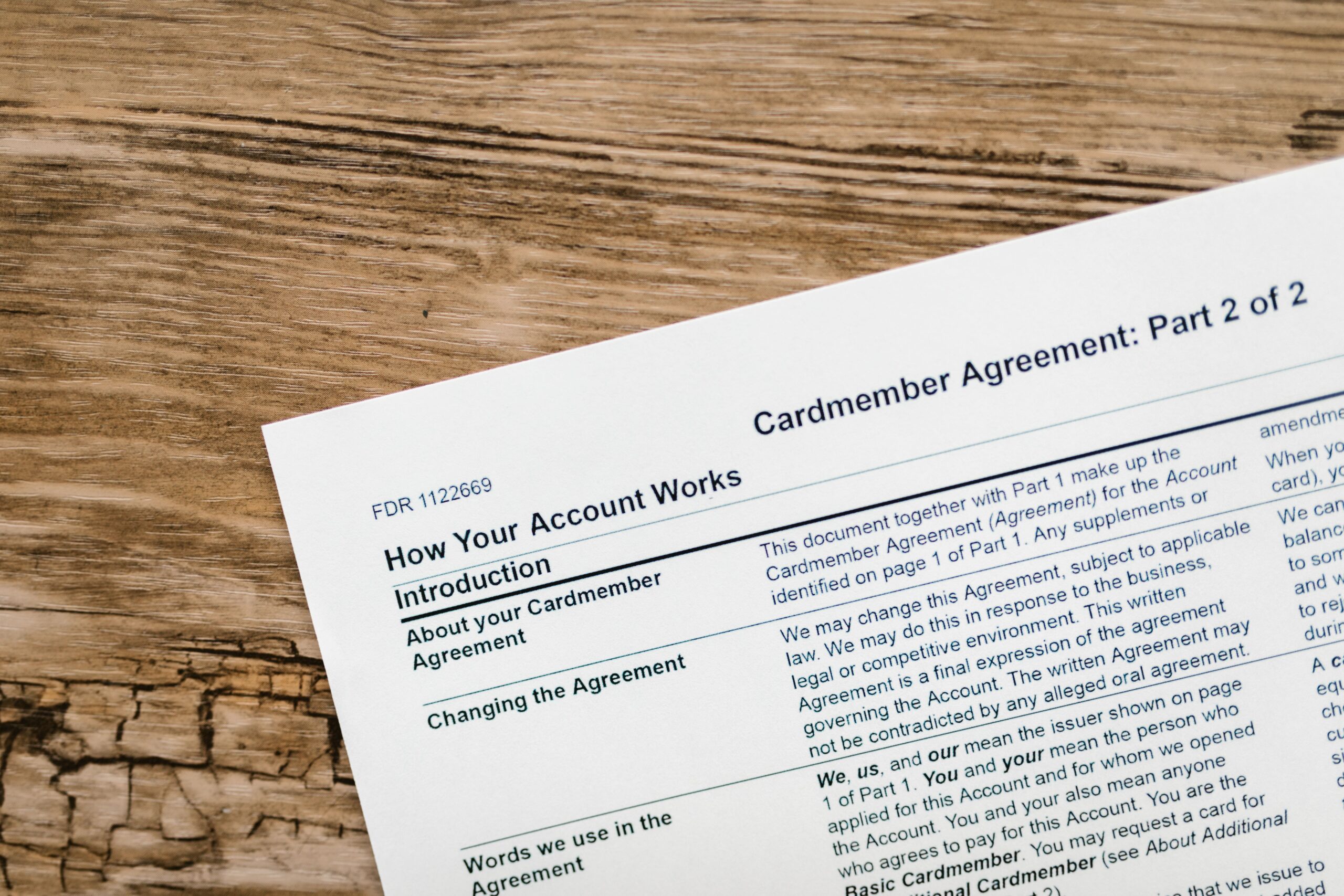
Read the policy documents, including exclusions, contestability provisions, payment requirements, and beneficiary rules. Ask questions about anything you do not understand. Do not rely solely on an agent’s verbal explanation or a sales illustration.
Common Life Insurance Mistakes to Avoid
One common mistake is buying too little coverage. A small policy may cover funeral expenses but leave a family without enough money to replace years of lost income.
Another mistake is choosing whole life insurance without understanding its long-term cost. Higher premiums can limit your ability to save for retirement, repay debt, or build an emergency fund.
Some buyers also focus exclusively on price. The cheapest policy may not provide the conversion options, flexibility, or coverage terms they need. Compare the entire contract, not just the premium.
Finally, avoid treating life insurance as a complete investment or retirement plan. Insurance primarily addresses protection needs. Retirement savings, diversified investments, and emergency funds may serve different financial purposes.
Where to Compare Life Insurance Policies
Use reliable resources to understand your options before purchasing a policy.
- National Association of Insurance Commissioners (NAIC): Learn about insurance regulation, consumer protections, and insurance company resources.
- USA.gov Life Insurance: Find general information and government resources related to life insurance.
- Investor.gov: Explore educational information about investing and financial planning.
If your website has related articles, add internal links to your guides on retirement planning, budgeting and saving, and insurance options. Replace these example paths with the actual URLs on your WordPress site if your permalink structure differs.
Frequently Asked Questions
Is term life insurance better than whole life insurance in 2026?
Term life insurance is often better for people who need affordable protection for a specific period. Whole life may be better for those who need permanent coverage and can afford its higher premiums. The best option depends on your financial goals and circumstances.
Can whole life insurance be used as an investment?
Whole life insurance builds cash value under the policy’s terms, but it is not the same as a conventional investment account. Costs, access restrictions, and policy conditions affect its financial value. Compare guaranteed figures with non-guaranteed projections before deciding.
What happens when term life insurance expires?
Coverage usually ends when the term expires. The policy generally pays no benefit if the insured is still alive. Depending on the contract, renewal or conversion may be available, often at a higher cost or subject to specific conditions.
Can I have term and whole life insurance at the same time?
Yes. Some people combine a term policy for temporary income protection with a smaller whole life policy for permanent needs. However, carrying both policies increases total premiums, so make sure the combined cost fits your budget.
How much life insurance coverage do I need?
There is no single amount that works for everyone. Consider income replacement, debts, dependents, future education expenses, and final costs. Subtract available savings and other resources, then review the estimate with a licensed insurance professional.
Final Verdict: Term Life vs. Whole Life Insurance in 2026
When comparing term life vs. whole life insurance in 2026, focus on your family’s needs, available budget, and long-term financial objectives. Term life insurance generally provides more coverage for each premium dollar during a selected period. Whole life insurance offers permanent protection and cash value, but usually costs significantly more.
If your main priority is protecting dependents while paying a mortgage or raising children, term insurance may be the more practical choice. If you need lifelong coverage and can comfortably manage higher premiums, whole life insurance may deserve consideration.
Before making a decision, compare multiple personalized quotes, review the policy guarantees, and understand the long-term costs. A well-chosen life insurance policy can help protect your family’s financial security and support a more confident financial future.
Disclaimer: This article provides general educational information and is not personalized financial, legal, tax, or insurance advice. Policy terms, pricing, and tax treatment vary. Consult a licensed insurance professional and a qualified tax or financial adviser about your circumstances.