
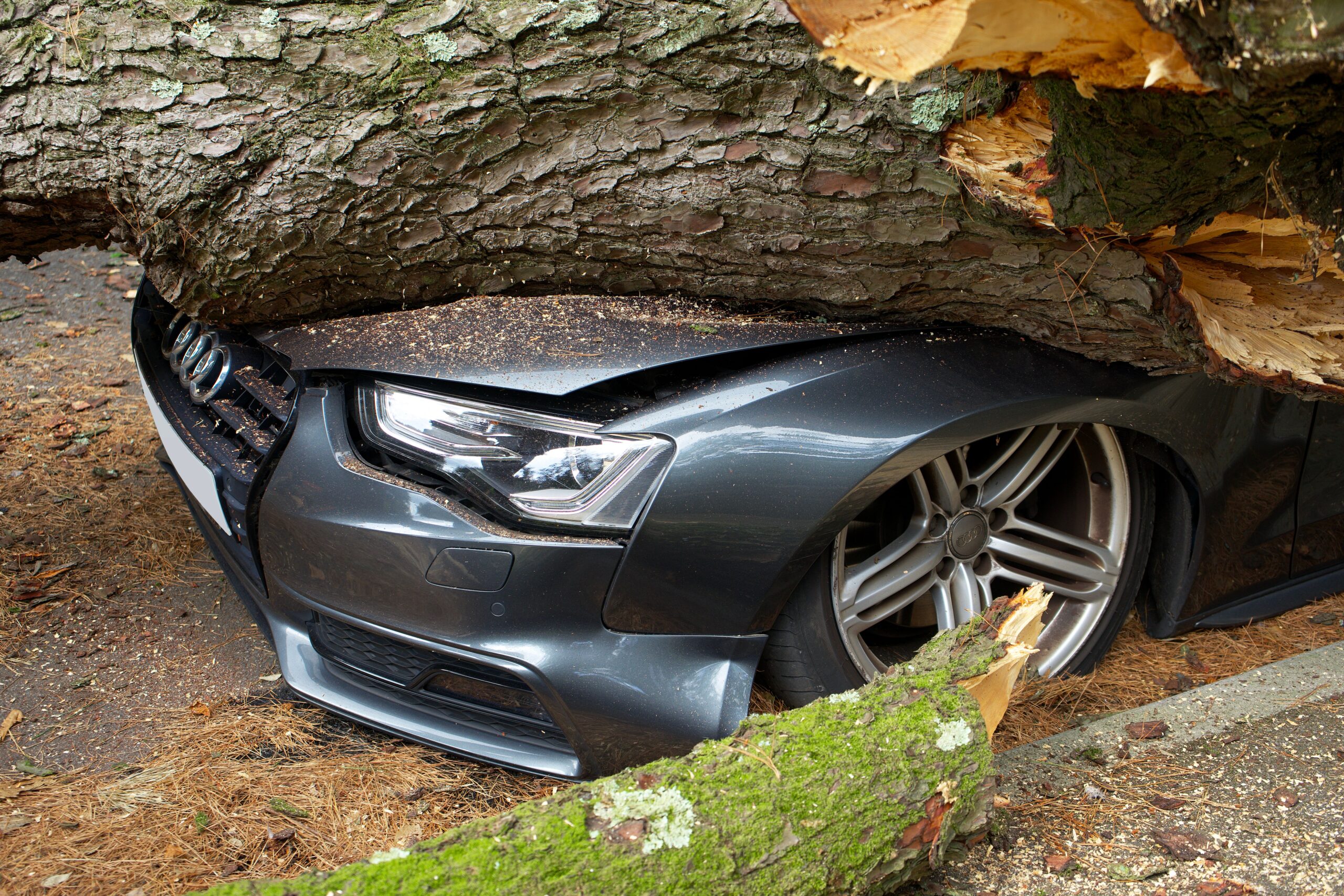
Finding affordable car insurance quotes in 2026 can help you protect your vehicle while keeping your monthly budget under control. However, choosing the cheapest policy is not always the best decision. You must also compare coverage limits, deductibles, customer service, and claim settlement options.
Car insurance prices vary by provider, location, driving history, vehicle type, and selected coverage. Therefore, getting quotes from multiple insurers is one of the smartest ways to find competitive rates. The National Association of Insurance Commissioners (NAIC) recommends comparing similar coverage options when shopping for auto insurance.
In this guide, you will learn how to compare car insurance rates, understand different coverage types, identify potential discounts, and choose a provider that meets your needs in 2026.
Why Compare Car Insurance Quotes in 2026?
Car insurance is an important financial protection for drivers. A suitable policy can help cover expenses after an accident, vehicle theft, or other covered events. Without adequate insurance, an unexpected incident could create significant financial pressure.
However, insurers do not always charge the same price for similar coverage. Each company uses its own underwriting and rating methods. As a result, one provider may offer a lower premium than another for the same driver and vehicle.
Comparing car insurance quotes helps you identify these differences before purchasing a policy. It also gives you an opportunity to review your current coverage and determine whether you are paying for benefits you no longer need.
For additional consumer guidance, visit the NAIC auto insurance guide.
What Affects Car Insurance Rates in 2026?
Understanding the factors that influence premiums can help you make better decisions when comparing providers. Insurers generally evaluate the likelihood and potential cost of future claims.
1. Driving Record
Your driving history can significantly influence your insurance rate. Drivers with clean records may qualify for lower premiums or safe-driver discounts. Conversely, accidents, speeding tickets, and other violations may increase costs.
Maintaining safe driving habits is one of the most practical ways to improve your insurance profile over time.
2. Age and Driving Experience
Young or inexperienced drivers often face higher premiums because insurers may consider them higher risk. Experienced drivers with strong driving records may receive more competitive offers.
Some insurers also offer discounts to eligible students, experienced drivers, or people who complete approved defensive-driving courses.
3. Vehicle Type and Repair Costs
The make, model, age, and safety features of your vehicle can affect insurance prices. Luxury vehicles and sports cars may cost more to insure because repairs and replacement parts can be expensive.
Before buying a vehicle, request insurance estimates for different models. This step helps you compare the total cost of ownership rather than focusing only on the purchase price.
4. Location and Annual Mileage
Where you live and park your car can affect your premium. Areas with higher accident rates, theft risks, traffic congestion, or repair costs may have more expensive insurance.
Annual mileage can also matter. Drivers who travel fewer miles may qualify for low-mileage discounts or usage-based insurance programs, depending on the provider.
5. Coverage Limits and Deductibles
Higher coverage limits generally provide greater financial protection but can increase premiums. A higher deductible may reduce the premium, although you will need to pay more out of pocket when making an eligible claim.
Choose limits that suit your financial situation. Do not reduce important protection simply to obtain the lowest possible quote.
Types of Car Insurance Coverage to Compare
Before comparing prices, understand what each policy includes. Coverage requirements vary by state, and some protections may be optional depending on where you live.
Liability Insurance
Liability car insurance generally covers eligible bodily injury and property damage claims involving other people when you are legally responsible for an accident. It does not normally pay to repair your own vehicle.
Most US states require drivers to carry certain minimum liability coverage. However, state minimums may not provide enough protection after a serious accident. Consider your assets, potential financial exposure, and applicable legal requirements when choosing limits.
Collision Coverage
Collision insurance helps pay for covered damage to your vehicle after a collision with another vehicle or object, subject to your deductible and policy terms.
This coverage can be valuable if you own a newer or expensive vehicle. Lenders and leasing companies may also require collision coverage while you finance or lease a car.
Comprehensive Coverage
Comprehensive insurance generally covers certain non-collision losses, including covered theft, vandalism, fire, and weather-related damage.
It can be useful for drivers who want broader financial protection. Review exclusions and deductibles carefully because comprehensive insurance does not cover every possible loss.
Uninsured Motorist Coverage
Uninsured and underinsured motorist coverage may help protect you when an at-fault driver has no insurance or insufficient coverage. The benefits available depend on your policy and state regulations.
Optional Coverage and Additional Benefits
Depending on the insurer, you may be able to add rental reimbursement, roadside assistance, medical payments coverage, personal injury protection, or other benefits.
Compare the price of each extra feature against its practical value. For example, rental reimbursement may be useful if you depend on your vehicle for work and cannot easily arrange alternative transportation.
How to Compare Car Insurance Quotes Step by Step
Step 1: Gather Your Information
Prepare your vehicle identification details, driving history, current insurance information, annual mileage estimate, and details for all household drivers who need to be listed. Insurers may request additional information to calculate an accurate premium.
Step 2: Request Quotes From Multiple Providers
Obtain quotes from several insurance companies, independent agents, or reputable comparison platforms. Direct insurer websites can also help you understand available policy options.
Try to request estimates within the same period. Insurance prices can change, so comparing quotes collected under similar conditions makes your decision more useful.
Step 3: Match Coverage and Limits
Compare the same liability limits, deductibles, drivers, vehicles, and optional benefits across all quotes. Otherwise, a cheaper quote may simply provide less protection.
Record the annual premium, payment fees, deductibles, and exclusions. This makes it easier to identify the policy offering the best overall value.
Step 4: Review Provider Reputation
Price is only one part of the decision. Research customer complaints, claims handling, available support channels, and financial strength information where available.
You can also consult your state insurance department to check whether an insurer is licensed and to review relevant consumer information. The NAIC consumer resource explains how to shop for coverage and evaluate insurance companies.
Step 5: Check the Final Policy Before Paying
Confirm the effective date, listed drivers, vehicle information, coverage limits, and payment schedule. Read the policy documents to understand exclusions and cancellation terms.
Do not cancel your existing policy until your replacement coverage is confirmed and active. A lapse in coverage may create legal and financial problems.
Best Car Insurance Providers to Compare in 2026
The best car insurance company depends on your location, driving profile, vehicle, and coverage needs. No single provider is automatically the cheapest for every driver. Consider these established US insurance brands when requesting quotes, subject to availability in your state.
State Farm
State Farm auto insurance is worth considering if you prefer access to local agents and personalized assistance. Ask about multi-vehicle, safe-driving, and other eligible discounts. Compare its quote against similar policies from competing insurers.
GEICO
GEICO offers online insurance information and quote tools. It may suit shoppers who prefer managing much of the insurance process digitally. Review available coverage, discounts, and support options for your location.
Progressive
Progressive provides auto insurance quotes and information about different coverage options. Drivers can investigate its available discount programs and usage-based insurance offerings where eligible.
Allstate
Allstate is another provider to include in your comparison. Review its policy options, service channels, and available discounts before deciding whether its coverage meets your requirements.
USAA
USAA provides auto insurance for eligible military members, veterans, and qualifying family members. If you meet its eligibility requirements, request a quote and compare its coverage and service with other available options.
Important: These companies are comparison candidates, not a universal ranking. Availability, premiums, discounts, and policy terms vary. Obtain current quotes before choosing a provider.
How to Get Cheaper Car Insurance Quotes
There are several ways to reduce your insurance expenses without unnecessarily sacrificing protection.
Ask About Available Discounts
Insurance companies may offer discounts for safe driving, bundling home and auto policies, insuring multiple vehicles, qualifying student performance, anti-theft devices, or completing approved driving courses.
Discount eligibility varies. Ask each insurer which savings you qualify for and whether discounts can be combined.
Consider a Higher Deductible Carefully
Increasing your deductible may lower your premium. However, you should have enough savings to cover that amount after a covered accident. Calculate the potential savings before making a change.
Review Low-Mileage and Usage-Based Programs
If you drive infrequently, a low-mileage policy may help reduce costs. Some insurers also offer programs that evaluate driving behavior through an app or connected device.
Before enrolling, understand what data is collected, how driving behavior affects your rate, and whether the program can increase your premium.
Maintain Continuous Coverage
Keeping appropriate insurance in place may help you avoid coverage gaps and possible higher rates associated with a lapse. If you are changing insurers, coordinate the start and end dates carefully.
Review Your Policy at Renewal
Your needs may change when you move, buy another vehicle, reduce annual mileage, or add a driver. Request new quotes at renewal and ask your current insurer whether better pricing is available.
Common Mistakes to Avoid When Comparing Quotes
One common mistake is choosing a policy based only on its advertised monthly payment. Always review the total premium, fees, deductibles, and coverage limits.
Another mistake is providing incomplete or inaccurate information. Incorrect mileage, omitted drivers, or inaccurate vehicle details may affect the quote and create problems later.
Drivers should also avoid assuming every online comparison website shows every insurer. Request direct quotes when necessary and verify the details before buying.
Finally, do not purchase optional coverage without understanding its benefits, but do not remove valuable protection simply to achieve a lower price. A suitable policy balances affordability with realistic financial risks.
Frequently Asked Questions About Car Insurance Quotes in 2026
How many car insurance quotes should I compare?
Start with at least three quotes from different providers. Comparing more insurers may help you identify additional options, especially if your driving history or vehicle creates unusual pricing differences.
Can I get car insurance quotes online for free?
Many insurers and comparison services provide free quotes. However, some platforms may share your information with insurance agents or partner companies. Review their privacy policies before submitting personal details.
Does a cheaper car insurance quote mean better value?
Not necessarily. A low premium may come with lower coverage limits, higher deductibles, or fewer benefits. Compare equivalent policies and consider the insurer’s claims service and reputation.
When should I compare car insurance rates again?
Consider comparing rates at renewal and after significant changes, such as moving, buying a vehicle, or adding a driver. You can also shop around if your premium increases unexpectedly.
Final Thoughts: Find the Best Car Insurance Quotes in 2026
Comparing car insurance quotes in 2026 can help you find a policy that fits your budget and protects you against covered financial losses. Start by understanding your coverage needs, then request multiple quotes with matching limits and deductibles.
Evaluate premiums, discounts, customer service, claim handling, and policy exclusions before making your decision. The lowest price is not always the best choice, but paying more does not automatically guarantee better protection.
For additional savings, review your coverage regularly and ask insurers about discounts that fit your circumstances. Use reliable resources, read the policy carefully, and choose a provider that offers the right balance of cost, coverage, and service.
Related reading: Explore your site’s Insurance category for more information about insurance costs, coverage options, and ways to protect your finances.
Editorial note: This article provides general educational information, not individualized insurance or legal advice. Policy availability, pricing, coverage requirements, and regulations vary by location. Confirm all details directly with an insurer or licensed insurance professional.