
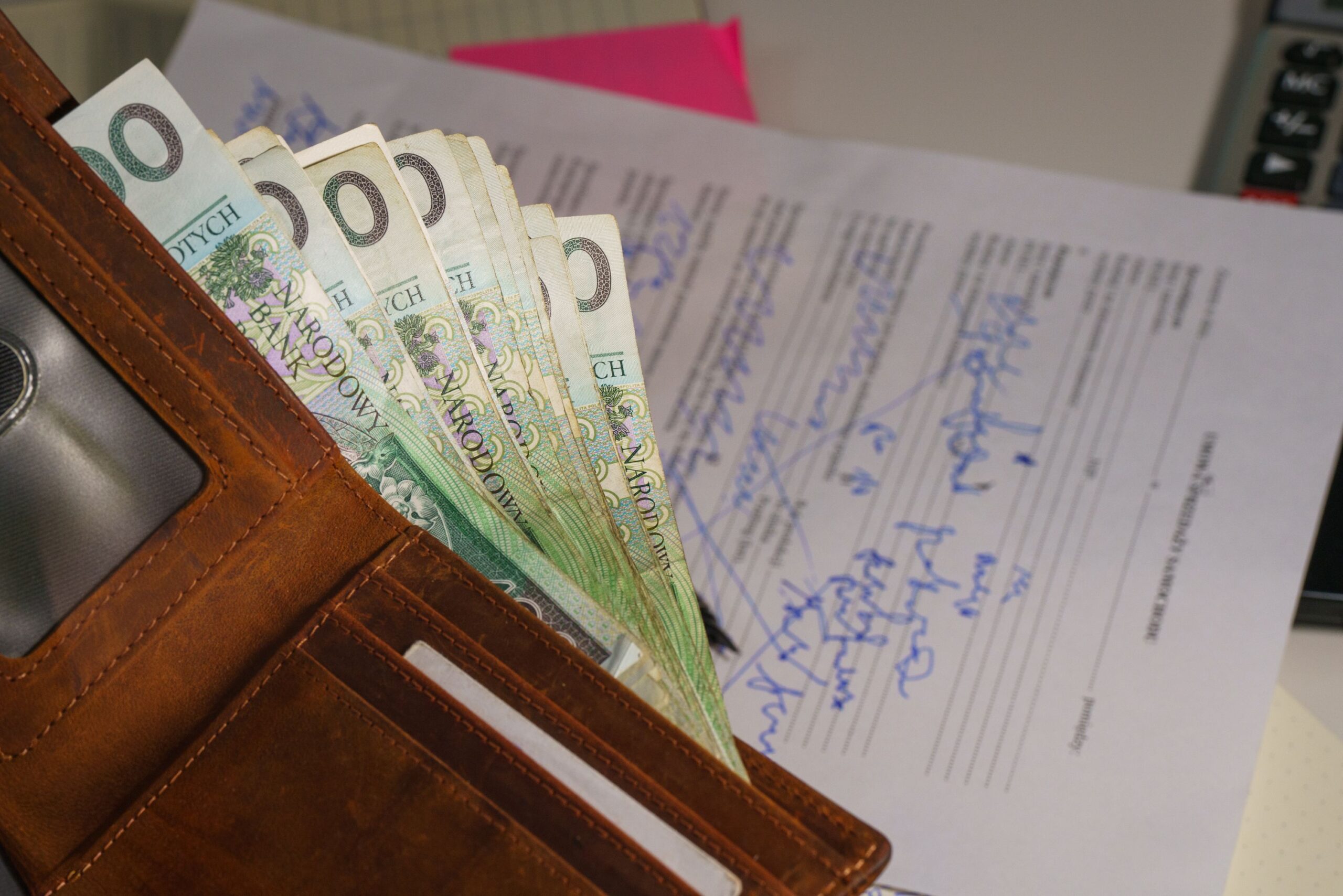
Finding financing with a low credit score can be challenging. Many traditional lenders prefer borrowers with strong credit histories. However, several lenders offer bad credit personal loans to people who need money for emergencies, debt consolidation, medical bills, or unexpected expenses. The key is finding an affordable loan without taking on unnecessary financial risk.
In 2026, borrowers can compare online lenders, credit unions, secured loans, and other financing options. Each lender has different approval requirements, interest rates, repayment terms, and fees. Therefore, comparing multiple offers can help you make a better financial decision.
This guide explains how personal loans for bad credit work, what affects approval, how to compare interest rates, and which alternatives may offer better value. You will also learn how to avoid expensive loan products and improve your chances of qualifying for affordable financing.
What Are Bad Credit Personal Loans?
Bad credit personal loans are installment loans designed for borrowers whose credit histories may make traditional financing difficult to obtain. Depending on the lender, applicants with fair, poor, or limited credit may qualify.
Most personal loans provide a lump sum that borrowers repay through scheduled monthly payments. These payments typically include principal and interest. Some lenders also charge origination fees, late payment fees, or other costs.
Many personal loans are unsecured. This means you generally do not need to pledge your car or home as collateral. However, unsecured loans can carry higher interest rates when lenders consider an applicant risky.
Who May Qualify for a Bad Credit Loan?
Eligibility varies by lender. Some providers consider applicants with credit scores below 600, while others may require higher scores. A low score does not automatically mean rejection.
Lenders may evaluate several factors, including:
- Credit score and repayment history.
- Monthly income and employment stability.
- Existing debts and debt-to-income ratio.
- Requested loan amount and repayment period.
- Recent credit applications and outstanding delinquencies.
For example, an applicant with a lower credit score but steady income and manageable debts may qualify for a better offer than someone with a higher score and substantial existing obligations.
Compare Bad Credit Personal Loan Options in 2026
There is no single best lender for every borrower. The right option depends on your credit profile, income, borrowing needs, and ability to repay the loan. Compare the total borrowing cost rather than focusing only on the advertised interest rate.
1. Online Personal Loan Lenders
Online lenders allow applicants to compare loan offers and submit applications through digital platforms. Some offer prequalification with a soft credit inquiry, which typically does not affect your credit score.
These lenders may consider more than a credit score. Income, employment, banking information, and debt obligations can also influence approval decisions. However, eligibility standards and available rates differ considerably.
Before applying, review the annual percentage rate (APR), origination fee, repayment term, funding timeline, and late payment policy. Check whether the lender reports payment activity to major credit bureaus as well.
2. Credit Union Personal Loans
Credit unions may offer competitive rates and personalized service to eligible members. Some provide small-dollar loans or products intended to help members manage unexpected expenses.
Membership requirements vary. You may need to live in a particular area, work for an eligible employer, or meet another membership condition.
Ask whether the credit union offers flexible underwriting, credit-building products, or a lower-cost alternative to payday borrowing. Compare its complete loan terms with offers from online lenders before deciding.
3. Secured Personal Loans
A secured personal loan requires collateral, such as money held in a savings account or another eligible asset. Because the lender has a claim to the collateral if you default, a secured loan may be easier to obtain in some circumstances.
However, collateral creates additional risk. If you fail to repay the loan, you could lose the asset. Review the agreement carefully and avoid pledging property that you cannot afford to lose.
4. Loans With a Co-Signer
Some lenders allow applicants to apply with a qualified co-signer. A co-signer with stronger credit and sufficient income may improve the application’s chances of approval or help secure better terms.
However, the co-signer becomes legally responsible for the debt under the loan agreement. Missed payments can damage both borrowers’ credit histories. Discuss repayment expectations and financial risks before using this option.
5. Small-Dollar Credit Union Loans
If you need a relatively small amount, ask a local credit union about small-dollar loans or other affordable emergency financing. These products may be more suitable than borrowing a large amount at a high interest rate.
Compare the payment schedule, fees, membership requirements, and total repayment amount. A smaller loan can reduce borrowing costs when it covers your actual need without creating additional financial pressure.
What Interest Rates Can You Expect in 2026?
Bad credit personal loan rates depend on the lender, credit profile, loan amount, repayment term, income, and broader lending conditions. Borrowers with weaker credit generally face higher rates because lenders perceive a greater risk of missed payments.
There is no universal interest rate for bad credit borrowers. Advertised rates may also be available only to applicants who meet specific eligibility requirements. Therefore, obtain personalized quotes before estimating your borrowing costs.
The annual percentage rate (APR) is particularly important because it generally reflects the interest rate and certain required loan fees. Comparing APRs can make it easier to evaluate offers with different fee structures.
Understand the Difference Between Interest Rate and APR
The interest rate measures the cost of borrowing the principal. APR typically includes the interest rate plus certain mandatory fees, expressed as an annual percentage. However, not every possible charge is necessarily included.
For example, one lender may advertise a lower interest rate but charge a substantial origination fee. Another may offer a slightly higher rate with fewer upfront charges. Comparing APRs and total repayment costs helps you evaluate the difference.
Example of Monthly Payments
Consider a hypothetical $5,000 personal loan with a 36-month repayment period. The following examples illustrate how different interest rates affect payments. They assume fixed rates, monthly repayments, no additional fees, and a fully amortizing loan.
| Illustrative APR | Estimated Monthly Payment | Estimated Total Interest |
|---|---|---|
| 12% | $166 | $975 |
| 20% | $186 | $1,690 |
| 30% | $212 | $2,630 |
These figures are estimates, not current lender quotes. Actual payments may vary with fees, loan terms, and payment schedules. The examples demonstrate why comparing offers matters: a higher APR can significantly increase the amount you repay.
How to Improve Your Chances of Loan Approval
You may be able to improve your application before submitting it. Although no strategy guarantees approval, preparing your finances can help lenders assess your ability to repay.
Check Your Credit Reports
Review your credit reports for inaccurate balances, accounts you do not recognize, and incorrect late payment information. Dispute genuine errors with the relevant credit reporting agency and the company that supplied the information.
In the United States, eligible consumers can access their official credit reports through AnnualCreditReport.com. Checking your own credit report does not generally count as a hard inquiry.
Reduce Existing Debt
Lenders often consider your debt-to-income ratio, which compares monthly debt payments with gross monthly income. Paying down existing balances may improve this ratio and make a new payment easier to manage.
Start by reviewing your credit card balances, installment loans, and recurring financial obligations. Avoid taking out another loan simply to improve your application unless the new borrowing has a clear, affordable purpose.
Compare Prequalification Offers
Prequalification can help you estimate your eligibility without immediately submitting a full application. When available, choose lenders that clearly explain whether checking your rate requires a soft inquiry.
Prequalification does not guarantee final approval or the advertised terms. The lender may verify your information and conduct a hard credit inquiry before issuing a final offer.
Borrow Only What You Need
A larger loan increases your potential repayment obligation. Calculate the minimum amount required to meet your immediate need and compare the monthly payment against your essential expenses.
Before accepting an offer, make sure you can cover rent, food, utilities, insurance, and existing debt payments while making the new loan payment.
How to Compare Bad Credit Personal Loans
Comparing loan offers systematically can help you avoid expensive mistakes. Use the following checklist when reviewing lenders.
- APR: Compare the annual percentage rate and understand which fees it includes.
- Loan amount: Confirm that the lender offers the amount you actually need.
- Repayment term: Check how long you will make payments and how the term affects total interest.
- Monthly payment: Confirm that the payment fits your realistic budget.
- Origination fees: Determine whether the lender deducts fees from your loan proceeds.
- Credit inquiry: Find out whether rate shopping involves a soft or hard inquiry.
- Funding time: Verify when funds may arrive if your need is urgent.
- Payment flexibility: Review late fees, prepayment terms, and available hardship assistance.
- Lender legitimacy: Check licensing, contact information, privacy practices, and customer complaint history.
For more information about responsible borrowing and consumer protections, visit the Consumer Financial Protection Bureau and review the resources available from the Federal Trade Commission.
Red Flags to Avoid When Applying for a Bad Credit Loan
Borrowers who need money quickly can be vulnerable to expensive or misleading offers. Be cautious when a lender promises guaranteed approval regardless of income, credit history, or ability to repay.
Legitimate lenders may charge disclosed fees, but they should explain their terms clearly. Be especially careful if someone demands an upfront payment to guarantee loan approval or asks you to transfer money through an unusual payment method.
Watch Out for Payday Loans
Payday loans and similar short-term products can carry very high costs. Their repayment schedules may also create financial pressure if your next paycheck is already committed to essential bills.
Before using one, compare credit union loans, payment plans with service providers, employer assistance, and other available alternatives. A loan that provides immediate cash may still be unaffordable once fees and repayment deadlines are considered.
Read the Entire Loan Agreement
Do not rely only on a lender’s advertisement or a monthly payment estimate. Read the complete agreement, including the APR, payment schedule, fees, default provisions, and consequences of missed payments.
Never sign a contract you do not understand. If a lender refuses to explain its terms or pressures you to act immediately, consider walking away.
Alternatives to Bad Credit Personal Loans
A personal loan is not always the best solution. Depending on your circumstances, another option may cost less or avoid additional debt.
Negotiate a Payment Plan
If you need money for medical bills, utilities, or other essential expenses, contact the provider before borrowing. Some organizations offer hardship programs, installment arrangements, or adjusted payment dates.
Ask about eligibility, fees, interest charges, and the consequences of missing an agreed payment. Get the terms in writing whenever possible.
Consider a Nonprofit Credit Counselor
A reputable nonprofit credit counseling agency may help you create a budget, understand your debts, and evaluate repayment strategies. Some agencies also provide debt management plans for eligible consumers.
In the United States, you can explore information from the National Foundation for Credit Counseling. Review fees and services before enrolling in any program.
Build Emergency Savings
If the expense is not urgent, building savings may help you avoid borrowing altogether. Even small, regular contributions can provide a buffer against unexpected costs.
You can review recurring subscriptions, compare insurance premiums, and reduce nonessential spending to free up money. However, do not skip essential bills or minimum debt payments to build savings.
Frequently Asked Questions
Can I Get a Personal Loan With a 500 Credit Score?
Possibly. Some lenders consider applicants with credit scores around 500, but approval is not guaranteed. Income, existing debt, payment history, loan amount, and lender requirements also matter. Compare personalized offers and avoid lenders whose costs exceed your repayment ability.
Can I Get a Bad Credit Personal Loan Without a Credit Check?
Some lenders advertise loans without traditional credit checks. However, they may use alternative eligibility assessments or charge higher fees. Verify the lender’s legitimacy and review the full repayment terms before accepting an offer.
Does Applying for a Personal Loan Hurt My Credit Score?
A soft inquiry used for prequalification generally does not affect your score. A hard inquiry associated with a formal application may cause a small, temporary decrease. Multiple applications can also create additional inquiries, so compare prequalification offers before applying.
How Much Can I Borrow With Bad Credit?
The amount depends on the lender, your income, existing obligations, credit history, and applicable laws. Some lenders specialize in smaller loans, while others offer larger amounts to qualified applicants. Borrow only what you can comfortably repay.
How Can I Get a Lower Interest Rate?
Compare multiple lenders, reduce existing debt when possible, correct credit report errors, and consider a credit union. A qualified co-signer or secured loan may improve available terms, but both options carry additional risks. Never pledge an asset or involve another person unless you understand the consequences.
Final Thoughts: Find the Right Bad Credit Personal Loan in 2026
Finding bad credit personal loans in 2026 requires more than choosing the lender that promises the fastest approval. You should compare APRs, fees, monthly payments, repayment terms, and eligibility requirements before making a decision.
Start by checking your credit reports and calculating how much you can afford to repay. Next, compare prequalification offers from legitimate lenders and investigate credit unions or other lower-cost alternatives. Review every agreement carefully before signing.
Most importantly, avoid borrowing more than you need. A suitable loan should address your immediate financial requirement without making your long-term situation worse. By comparing approval options and total borrowing costs, you can make a more informed decision and work toward stronger financial stability.